Retaining Walls & Concrete Masonry
Control slopes, prevent erosion, and create usable space with professionally built retaining walls.
Why You Need Retaining Walls
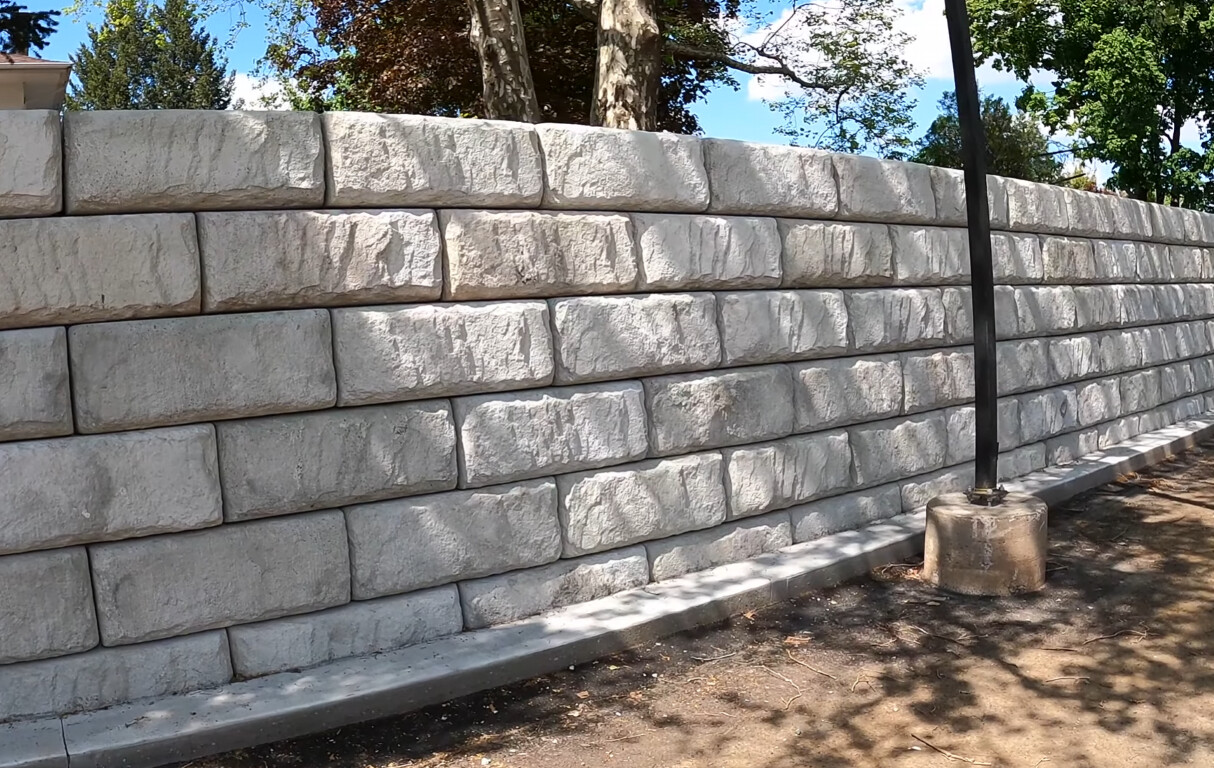
Retaining walls serve critical functions for properties with slopes or elevation changes. They hold back soil, prevent erosion, manage drainage, and create level areas where natural terrain is uneven. Here in Olive Branch, MS, many properties have slopes that benefit from concrete retaining walls, whether for practical purposes or to enhance the landscape.
Without proper retaining structures, sloped areas can erode during heavy rains, especially with our clay soils. Soil can wash onto driveways, sidewalks, or lower areas of your property. In extreme cases, erosion can undermine foundations or cause dangerous slope failures. A well-designed retaining wall stops these problems and provides long-term stability.
- Prevents soil erosion and slope failure
- Creates level, usable space on sloped properties
- Protects foundations, driveways, and other structures
- Manages drainage and directs water away from problem areas
- Adds visual interest and defines outdoor spaces
Types of Retaining Walls
We build several types of retaining walls depending on your needs, site conditions, and aesthetic preferences.
Poured Concrete Retaining Walls
Poured concrete walls provide maximum strength and durability. We excavate for footings, build forms, install reinforcement, and pour concrete to create a solid, permanent structure. These walls work well for taller walls or situations where high loads are expected. We can finish the exposed face with texture, stamp patterns, or stain to create attractive surfaces rather than plain gray concrete.
Concrete Block Retaining Walls
Concrete masonry units (CMUs) make strong, economical retaining walls. We build these walls on concrete footings, stack the blocks with mortar or surface bonding, and fill the cores with concrete and reinforcement. The result is a robust wall that handles significant loads while costing less than poured concrete. We can finish block walls with stucco, stone veneer, or leave them with a clean block appearance.
Segmental Retaining Wall Systems
Modular block systems use interlocking concrete units designed specifically for retaining wall applications. These systems come in various colors, textures, and sizes, offering many design options. They install faster than poured walls and provide excellent performance for walls up to moderate heights. Proper base preparation and correct installation techniques are critical for these systems to perform as designed.
Design and Engineering
Retaining walls must be engineered to resist the forces trying to push them over or cause them to fail. These forces include soil pressure, water pressure, surcharge loads from structures or slopes above the wall, and seismic loads in some areas. Poor design or construction can lead to wall failure, which may damage property or create dangerous conditions.
When Engineering Is Required
Local codes typically require engineered designs for walls over a certain height, usually 3 to 4 feet. Even for shorter walls, engineering may be wise if the wall will support significant loads, if soil conditions are poor, or if failure could damage structures or cause injury. We work with qualified engineers when needed to develop designs that meet code requirements and perform reliably.
Key Design Elements
Proper retaining wall design includes adequate footing size and depth, sufficient wall thickness or reinforcement to resist overturning and sliding, and provisions for drainage behind the wall. Water buildup behind retaining walls creates extra pressure that can cause failure. We always include drainage systems such as weep holes, drain pipes, or gravel backfill to relieve water pressure.
Our Installation Process
Building a retaining wall requires careful attention to detail at every step. We follow proven procedures to ensure your wall performs as designed and lasts for decades.
Site Preparation
We start by excavating for the wall footing and creating a level base. The footing must rest on firm, undisturbed soil or properly compacted fill. We dig below the frost line to prevent frost heave and ensure the footing extends deep enough to support the wall loads.
Foundation and Drainage
We pour concrete footings according to the design specifications, with reinforcement as required. Then we install drainage systems behind the wall location. This typically includes a perforated drain pipe in gravel bedding that carries water away from behind the wall.
Wall Construction
For poured walls, we build forms, place reinforcement, and pour concrete. For block walls, we lay units with proper alignment and fill cores with concrete and rebar. For segmental systems, we carefully place and level each course, ensuring proper setback and alignment. Throughout construction, we maintain quality control to ensure the wall meets design specifications.
Backfill and Finishing
After the wall structure is complete, we backfill behind it with drainage gravel near the wall and compacted soil behind the drainage zone. Proper compaction prevents settling that could damage the wall. Finally, we complete any finishes on the exposed wall face and ensure proper grading directs water away from the wall at the top.
Other Masonry Services
In addition to retaining walls, we handle other concrete masonry work including freestanding walls, planters, outdoor kitchens, fire pits, columns, and pillars. We can also repair or rebuild existing masonry structures that have deteriorated or been damaged.
For decorative work, we offer various finishes and materials including natural stone veneer, brick facing, stucco, and decorative concrete finishes. We work with you to create masonry features that enhance your property and complement your home or building style.
Frequently Asked Questions
Need a Retaining Wall?
Contact us today for a site evaluation and free quote on your retaining wall or masonry project.
Call (662) 804-0399